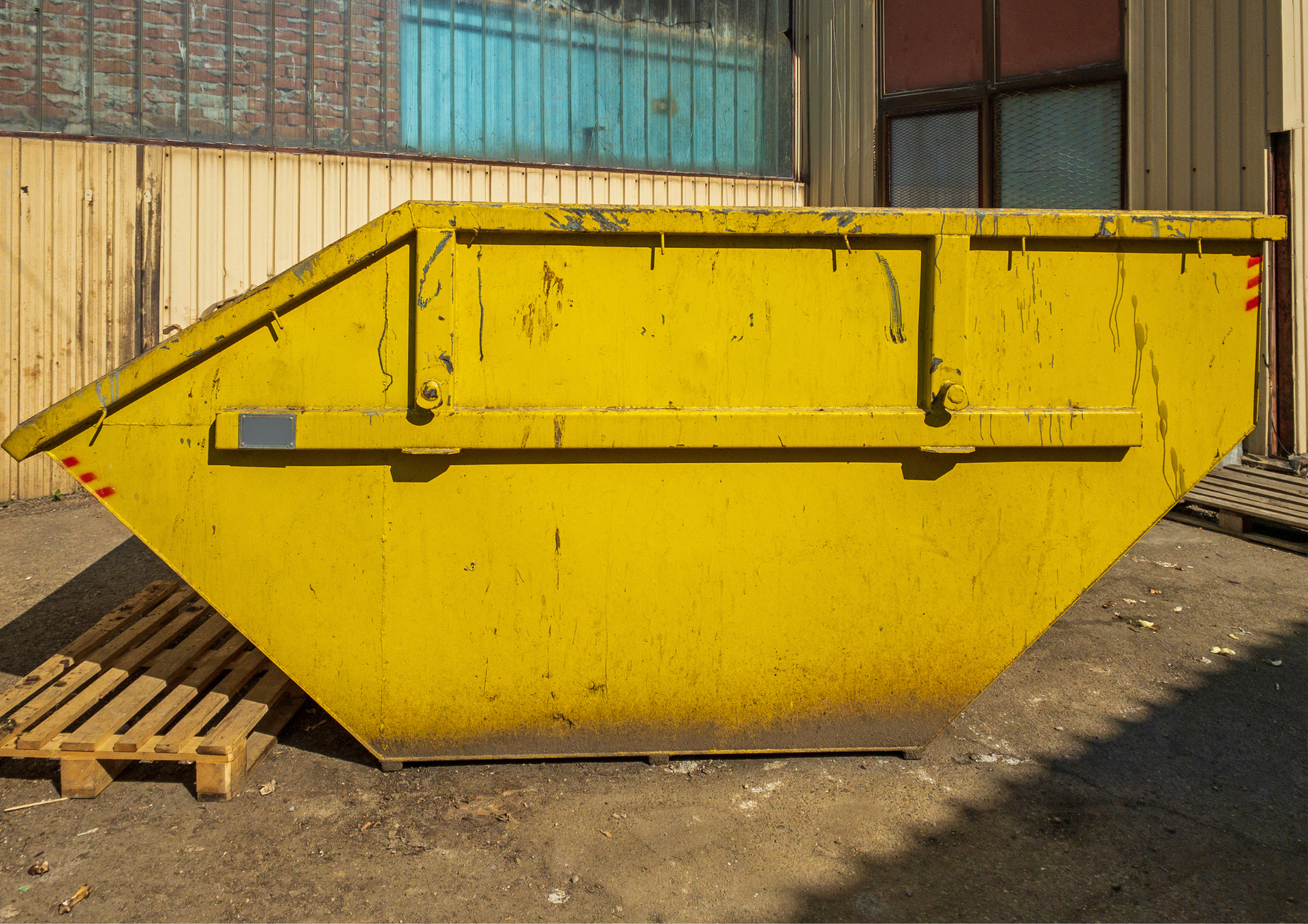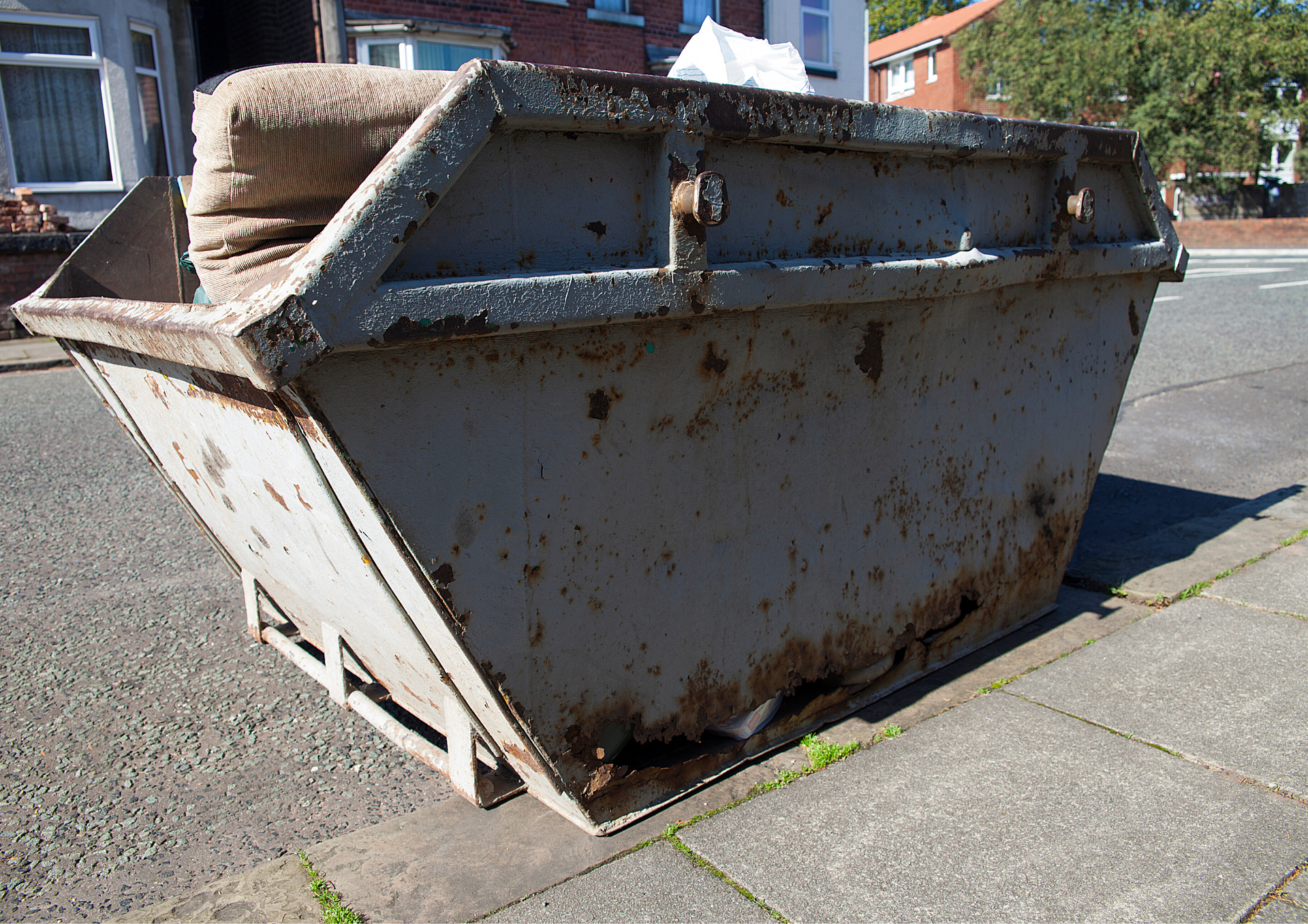
Skip Hire for Driveway and Patio Renovation Projects Made Simple
Driveway and patio renovations can completely transform the appearance and practicality of a property. Whether replacing worn paving, extending outdoor living areas, or installing a brand-new surface, these projects often generate far more waste than many people expect.
Broken concrete, old paving slabs, soil, gravel, bricks, sand, and general construction debris can quickly accumulate, creating obstacles that slow progress and reduce available working space. Arranging skip hire before work begins provides a practical way to manage this waste, helping keep the site organised, improve efficiency, and support a smoother renovation from start to finish.
For homeowners, landlords, surveyors, and local authorities managing residential and commercial properties, planning waste removal before work begins is just as important as selecting suitable materials and contractors. A well-organised approach keeps the site tidy, supports safe movement around the working area, and helps each stage of the renovation progress efficiently.
Planning Waste Management Before Renovation Begins
Every successful renovation starts with careful preparation. While many property owners focus on designs, materials, and budgets, waste management is often overlooked until demolition begins. Unfortunately, waiting too long to organise waste removal can result in unnecessary delays, cluttered working areas, and additional handling of heavy materials.
Before work starts, it is worth estimating the amount and type of waste likely to be produced. Older driveways may contain concrete, tarmac, bricks, edging stones, and compacted sub-base materials. Patio renovations often generate broken paving slabs, decorative stones, mortar, sand, and soil. Landscaping improvements may also include shrubs, turf, timber, and fencing materials.
Considering these materials in advance allows waste disposal arrangements to match the scope of the project rather than reacting once debris begins accumulating. Access should also be assessed before deliveries and collections are arranged.
Contractors require sufficient space to remove waste safely while allowing building materials to arrive without obstruction. Narrow driveways, shared access routes, gated entrances, or restricted parking may all influence the most practical positioning for skip hire, helping ensure the container is placed where it supports efficient loading while minimising disruption throughout the renovation.
Weather conditions can also affect renovation schedules. Heavy rainfall may increase soil weight, while strong winds can scatter lightweight packaging materials around the property. Planning ahead helps reduce disruption regardless of changing conditions.
Many renovation projects take place while families continue living at home or while commercial premises remain operational. Maintaining organised waste storage reduces inconvenience and allows access routes to remain clear throughout the project.
Property managers responsible for multiple buildings often benefit from preparing waste removal alongside maintenance schedules. Coordinating these arrangements helps contractors work efficiently while reducing unnecessary interruptions for occupants.
Good communication between everyone involved also contributes to smoother project management. Builders, landscapers, paving specialists, and property owners should all understand where waste will be stored and how collections will be arranged during each phase of the work.
Although renovation plans sometimes change after excavation begins, having an organised waste strategy makes it easier to adapt without creating unnecessary delays.
Selecting the Right Container for Different Renovation Projects
Selecting the right container size is an important part of planning any driveway or patio renovation. Matching the container to the scale of the project helps manage waste efficiently, reduces unnecessary collections, and keeps the site organised throughout the work. The following guide outlines how different project types may benefit from different capacities.
Small Renovation Projects
- Minor patio repairs and replacing damaged paving slabs.
- Small garden improvements and landscaping work.
- Limited quantities of rubble, soil, and hard landscaping materials.
- A 2 yard skip is often suitable where space is limited and waste volumes are relatively low.
Medium-Sized Renovations
- Partial driveway resurfacing.
- Replacing pathways and walkways.
- Removing sections of hard landscaping.
- A 4 yard skip can provide sufficient capacity for moderate quantities of mixed construction waste.
Larger Home Improvement Projects
- New patio installations.
- Extensive driveway improvements.
- Demolition involving concrete, bricks, gravel, and paving materials.
- A 6 yard skip is commonly chosen for projects that generate substantial amounts of heavy waste over several days.
Large-Scale Renovations
- Complete driveway replacements.
- Major landscaping and outdoor redesigns.
- Renovations across larger residential and commercial properties.
- An 8 yard skip is often suitable where significant volumes of bulky construction waste are expected.
Consider the Type of Waste
- Heavy materials such as concrete, bricks, stone, and soil require careful capacity planning.
- Lighter materials including timber, fencing panels, vegetation, and packaging occupy space differently.
- Estimating both the weight and volume of waste helps determine the most appropriate container size.
Review the Entire Project
- Consider all stages of the renovation rather than individual tasks.
- Include demolition, drainage work, paving installation, fencing, and landscaping when estimating waste.
- A complete assessment helps identify the most practical waste management solution.
Benefits of Scheduled Collections
- Larger or phased projects may benefit from collections during the renovation.
- Progressive waste removal keeps working areas organised.
- Contractors can move around the site more efficiently without unnecessary obstructions.
Plan Ahead for Better Efficiency
- Careful planning reduces the risk of overflowing containers.
- Appropriate waste arrangements help minimise delays and interruptions.
- Choosing the right waste solution from the outset supports a smoother and more organised renovation project from beginning to end.
Keeping Renovation Projects Organised, Efficient, and Environmentally Responsible
Once renovation work is underway, waste begins accumulating surprisingly quickly. Demolition materials, broken paving, excavated soil, timber offcuts, packaging, empty material bags, and surplus aggregates can rapidly occupy valuable working space if not managed properly.
Maintaining an organised site allows contractors to complete tasks more efficiently while reducing unnecessary movement of heavy materials. Rather than repeatedly relocating waste from one area to another, debris can be placed directly into the designated container as work progresses.
Clear working areas also make it easier to transport paving slabs, edging stones, sand, cement, and other construction materials around the site. Keeping pathways free from rubble helps minimise unnecessary interruptions while supporting a more productive working environment.
Renovation projects often involve several different trades working at different stages. Groundworkers may begin by excavating existing surfaces before drainage specialists, landscapers, paving installers, fencing contractors, or decorators complete their respective tasks. Effective waste management supports each stage without creating unnecessary congestion.
Environmental responsibility also remains an important consideration throughout every renovation project. Many construction materials can be separated and processed through appropriate waste management systems, helping reduce unnecessary disposal while encouraging greater resource recovery wherever practical.
Concrete, bricks, rubble, metals, untreated timber, green waste, and certain aggregates may all be suitable for further processing depending on their condition. Separating waste correctly from the beginning makes this process considerably easier.
Property owners also benefit from reducing the visual impact of renovation work. Large piles of broken materials can make even relatively small projects appear untidy and disorganised. Keeping waste contained helps maintain a more professional appearance throughout the project.
For commercial properties, schools, housing developments, retail premises, and public spaces, maintaining tidy working conditions helps reduce disruption for visitors, staff, tenants, and members of the public. Organised waste storage demonstrates careful project management while allowing essential improvement works to continue with minimal inconvenience.
Regular collections may be appropriate for larger developments where waste is generated continuously over several weeks. Removing filled containers promptly prevents work from slowing due to lack of available disposal space.
Planning ahead also supports better scheduling. Contractors can concentrate on completing each phase of the renovation without needing to pause while alternative waste arrangements are made.
Ultimately, organised waste management contributes to safer, cleaner, and more efficient renovation projects from the first day of demolition through to the final installation of paving, driveways, patios, or landscaped areas.
Making Renovation Projects Easier with Careful Planning
Every driveway and patio renovation benefits from careful organisation from the very beginning. Planning each stage of the project helps reduce delays, keeps work areas tidy, and ensures waste is managed efficiently as the renovation progresses. The following points highlight the key areas to consider before and during your project.
Project Planning
- Assess the scope of the renovation before work begins.
- Establish realistic timescales for each stage of the project.
- Estimate the volume and type of waste likely to be produced.
- Coordinate material deliveries and waste collections in advance.
Preparing for Unexpected Issues
- Allow for hidden obstacles that may only become visible during excavation.
- Be prepared for damaged drainage, unstable sub-bases, or additional layers of old construction materials.
- Build flexibility into the schedule to minimise disruption if extra work becomes necessary.
Communication and Site Management
- Ensure contractors, suppliers, and property owners understand the project schedule.
- Confirm delivery and collection times to avoid unnecessary delays.
- Maintain clear access routes throughout the renovation to support efficient working.
Keeping the Site Organised
- Remove loose debris regularly as work progresses.
- Store building materials neatly to maximise available space.
- Keep pathways and working areas free from unnecessary obstructions.
Suitable for Different Property Types
- Residential homes.
- Rental properties.
- Commercial premises.
- Public infrastructure and community improvement projects.
Planning Waste Removal
- Arrange waste management before demolition begins rather than waiting until debris accumulates.
- Organised waste disposal supports a cleaner, safer, and more efficient renovation from start to finish.
- Using skip hire as part of the overall project plan allows builders and property owners to focus on completing high-quality improvements while waste is managed efficiently throughout the renovation.
At
Skip Hire Stockport, we aim to make waste management straightforward for projects of every size. Our website provides practical guidance that helps homeowners, landlords, surveyors, local authorities, and property professionals make informed decisions before renovation work begins.
We focus on clear information, reliable service, and helpful advice that supports efficient project planning without unnecessary complexity. Whether you're upgrading a residential driveway, installing a new patio, or managing improvements across commercial properties, our website offers useful resources to help you choose suitable waste solutions with confidence.
Our commitment to professional service, straightforward communication, and customer-focused support makes skip hire simpler to arrange, allowing every renovation project to remain organised from the first stage of demolition through to the final finishing touches.
Don't Miss Out on X: Reliable skip hire for driveway and patio waste removal.
You might also like