Hire a Skip for End of Tenancy Property Waste Removal Projects
End of tenancy property clearance is an important task for landlords, property managers, homeowners, surveyors, and local authorities responsible for maintaining residential and commercial premises. Whether a property has been occupied for several months or many years, preparing it for new occupants often involves removing unwanted furniture, household items, general waste, and accumulated belongings left behind.
A well-planned clearance project helps restore the property's appearance, improves accessibility for inspections and maintenance, and allows any necessary repairs or refurbishment work to proceed efficiently. Managing waste effectively throughout the process is an essential part of achieving these objectives.
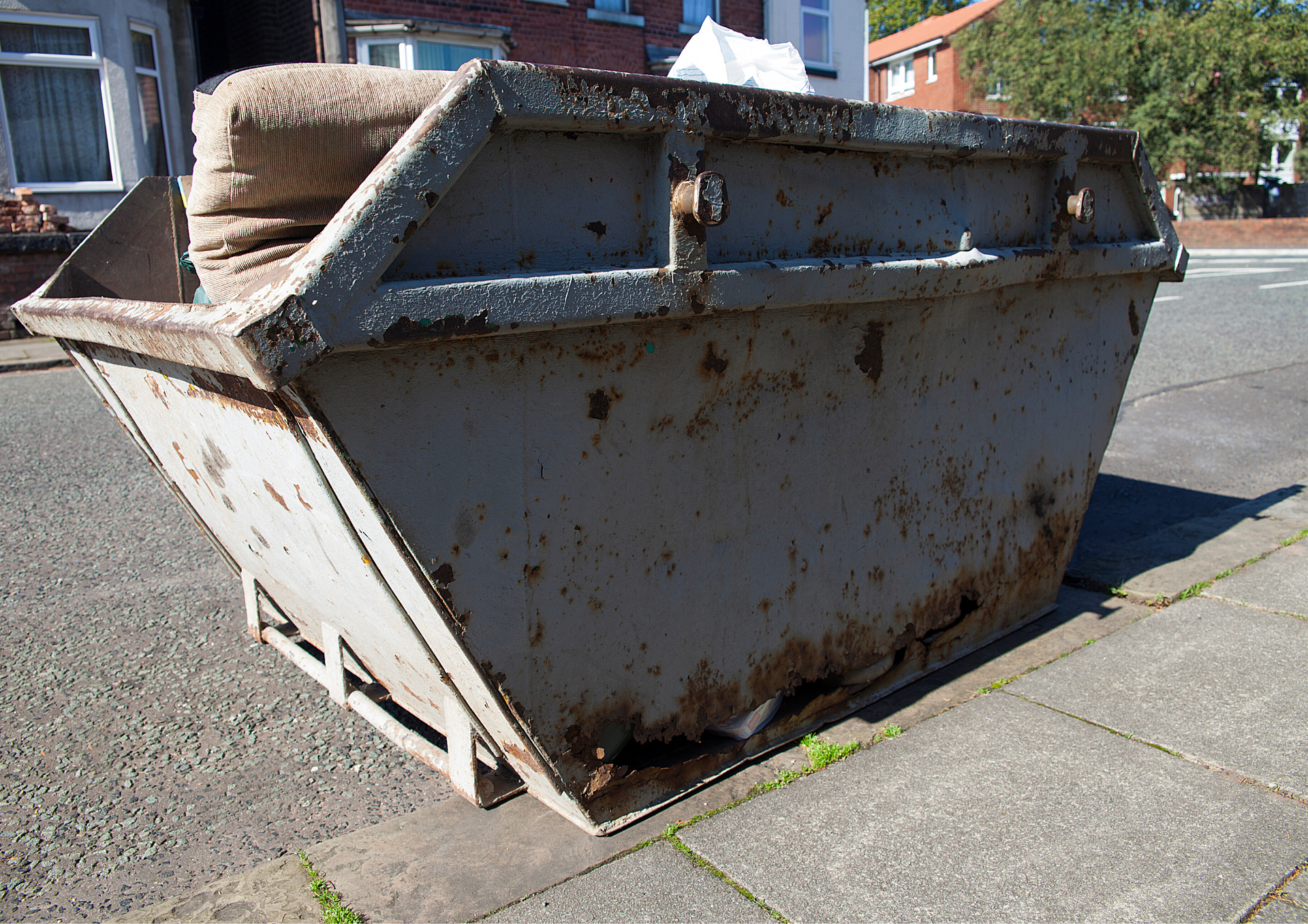
Many property owners choose to hire a skip when undertaking end of tenancy clearance work because it provides a practical and organised solution for collecting and removing large volumes of waste from a property in a controlled manner.
Understanding End of Tenancy Clearance Requirements
Every property presents different clearance challenges depending on its size, previous use, and condition at the end of the tenancy. Some properties may require only minor waste removal, while others can involve substantial quantities of unwanted items that have accumulated over an extended period.
Residential properties often contain unwanted furniture, broken appliances, damaged flooring materials, packaging, garden waste, and general household rubbish. Commercial properties may include office furniture, shelving, storage materials, documentation, fixtures, fittings, and refurbishment debris.
Before beginning any clearance project, it is beneficial to assess the volume and type of waste that requires removal. This allows property owners and managers to develop a structured plan and select suitable waste management solutions for the work ahead.
Effective planning also helps reduce disruption during the clearance process and enables contractors, maintenance teams, and surveyors to access the property more easily while carrying out inspections or improvement works. Many property owners choose to hire a skip at the planning stage to help keep waste organised and ensure clearance activities progress efficiently from start to finish.
Planning Waste Management for Property Turnarounds
Property turnaround periods are often time-sensitive. Landlords frequently need to prepare properties quickly between tenancies, while commercial premises may require rapid clearance before new occupants move in or renovation projects begin.
Having a dedicated waste disposal solution available from the outset can significantly improve efficiency. Rather than making repeated trips to disposal facilities or allowing waste to accumulate in different areas of the property, waste can be collected in a single designated location throughout the project.
This organised approach helps maintain a safer working environment and supports productivity for everyone involved in the clearance process. Property managers often coordinate multiple activities simultaneously, including cleaning, decorating, repairs, maintenance inspections, inventory assessments, and compliance checks. Effective waste management helps these activities progress more smoothly by preventing unnecessary clutter and reducing obstacles throughout the property.
The scale of waste removal varies considerably depending on the circumstances of the tenancy. Some clearances involve only minor household waste, while others may require the removal of substantial quantities of bulky items and construction materials.
For smaller projects, a 2 yard skip hire option may provide sufficient capacity for limited quantities of waste generated during basic property preparation work.
Managing Different Types of Clearance Waste
End of tenancy clearances often involve a wide variety of waste materials. Identifying these materials early helps ensure the project remains organised and efficient throughout each stage.
Common waste categories may include:
- Household rubbish
- Furniture and furnishings
- Broken fixtures and fittings
- Carpets and flooring materials
- Garden waste
- Packaging materials
- Timber and wood products
- Non-hazardous renovation debris
- General commercial waste
- Decorative materials from refurbishment projects
Segregating waste where practical can improve organisation and support efficient disposal processes. It also allows maintenance teams to identify reusable items or materials that may be suitable for alternative disposal routes.
Surveyors conducting property assessments often benefit from clear access throughout the premises. Removing waste promptly can help ensure accurate inspections and facilitate decision-making regarding repairs, maintenance requirements, and future property improvements.
Larger clearance projects frequently generate significant quantities of mixed waste. In these circumstances, an 4 yard skip can offer additional capacity while remaining suitable for many residential properties with limited external space.
Property owners should also consider access arrangements before beginning clearance work. Driveways, parking areas, shared access routes, and commercial loading zones may all influence positioning and operational efficiency during waste collection.
Supporting Renovation and Property Improvement Projects
End of tenancy clearances are often closely linked with renovation, refurbishment, and maintenance programmes. Once unwanted items have been removed, many properties require further improvements before becoming ready for reoccupation.
Common post-clearance works may include:
- Internal decorating
- Flooring replacement
- Kitchen improvements
- Bathroom upgrades
- Electrical works
- Plumbing repairs
- Garden maintenance
- Structural repairs
- General refurbishment
These activities frequently generate additional waste materials that require responsible management. Having suitable waste disposal arrangements already in place helps maintain continuity throughout the project.
Many landlords use the period between tenancies as an opportunity to improve property standards, enhance presentation, and address maintenance concerns identified during occupancy.
Commercial property owners may similarly undertake upgrades designed to attract new tenants or improve functionality for future business use. For medium-sized refurbishment and clearance projects, an 6 yard skip often provides suitable capacity for handling mixed waste generated during both clearance and improvement works.
Maintaining an organised site throughout renovation activities can also improve productivity for contractors and reduce unnecessary delays caused by waste accumulation. The ability to dispose of waste as it arises helps create a more efficient workflow and supports progress across multiple project stages.
Creating a Safe and Organised Working Environment
Property clearance projects frequently involve numerous individuals working within the same environment. Landlords, contractors, cleaners, maintenance personnel, surveyors, and property managers may all require access to different parts of the building during the preparation process.
Uncontrolled waste can create hazards, restrict movement, and increase the likelihood of delays. Establishing clear waste management procedures helps maintain organisation and supports a safer environment for everyone involved.
Benefits of organised waste management during end of tenancy projects include:
- Improved access throughout the property
- Reduced trip hazards
- Better working conditions
- Enhanced project efficiency
- Easier contractor coordination
- Improved property presentation
- Faster project completion
Maintaining clear walkways and accessible work areas becomes particularly important in larger residential buildings, commercial premises, and multi-unit developments where multiple tasks may be occurring simultaneously.
Local authorities responsible for managing public properties and housing stock often prioritise structured clearance procedures because they help maintain operational efficiency across large portfolios.
Similarly, landlords overseeing multiple properties may benefit from adopting consistent waste management practices that streamline turnaround processes and support ongoing property maintenance programmes.
For substantial clearance operations involving large volumes of furniture, refurbishment debris, and mixed waste, an 8 yard skip can provide the capacity required to keep projects moving efficiently.
Skip Hire Stockport
provides dependable waste management solutions designed to support property clearance, refurbishment, maintenance, and renovation projects of all sizes. We understand the challenges involved in preparing residential and commercial properties for new occupants and strive to make waste disposal straightforward and efficient.
Our service focuses on reliability, professional support, flexible solutions, and practical guidance to help customers select suitable options for their individual requirements. Whether you need to hire a skip as a homeowner clearing a property, a landlord managing tenant changeovers, a surveyor overseeing project preparation, or a local authority coordinating larger programmes, our team is committed to supporting your project from start to finish.
With a customer-focused approach and extensive experience supporting property-related waste management requirements, we provide a practical solution for efficient and organised property clearance projects.
New Update on X: Hire a
skip for household and rental property clear-outs.
You might also like