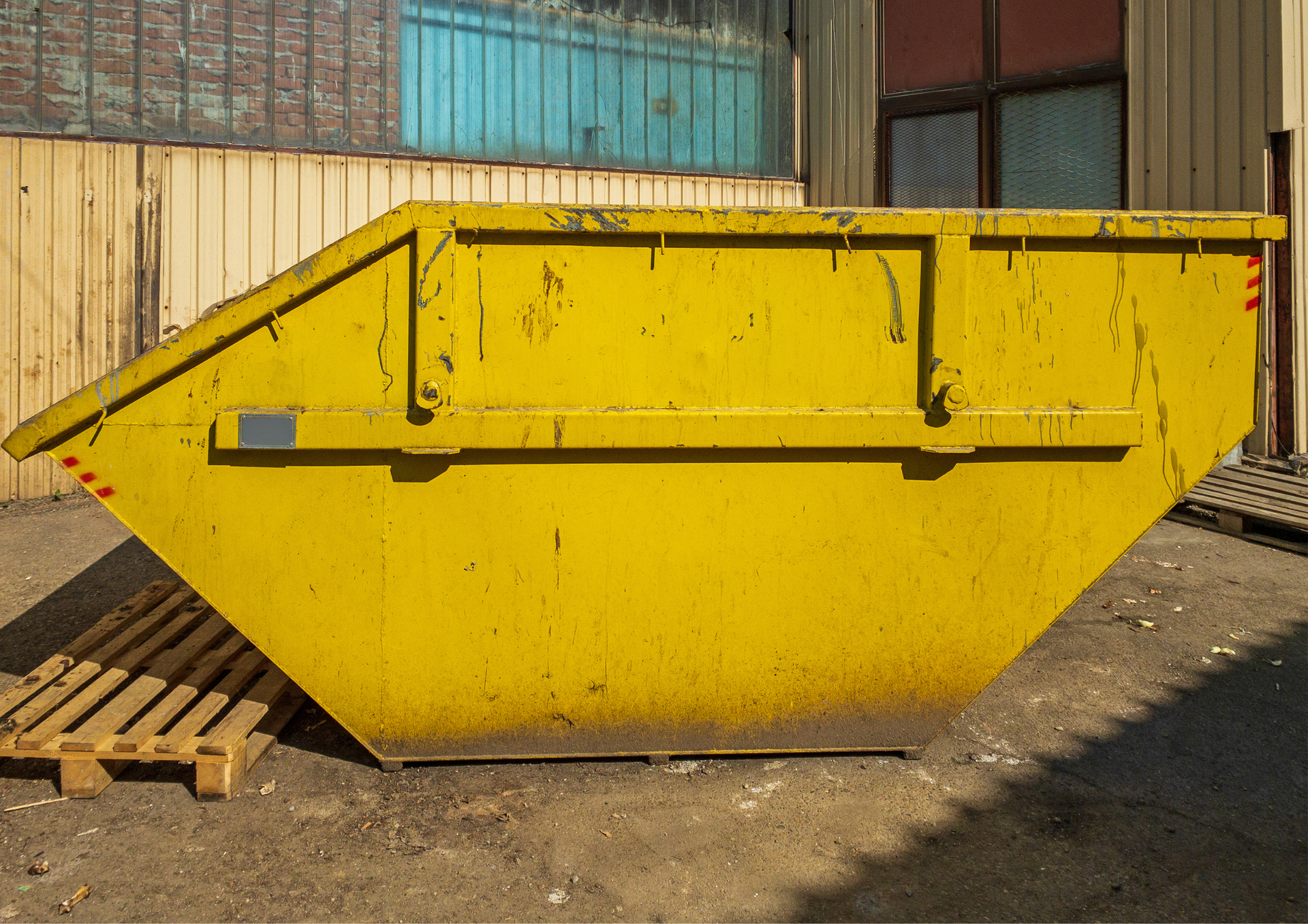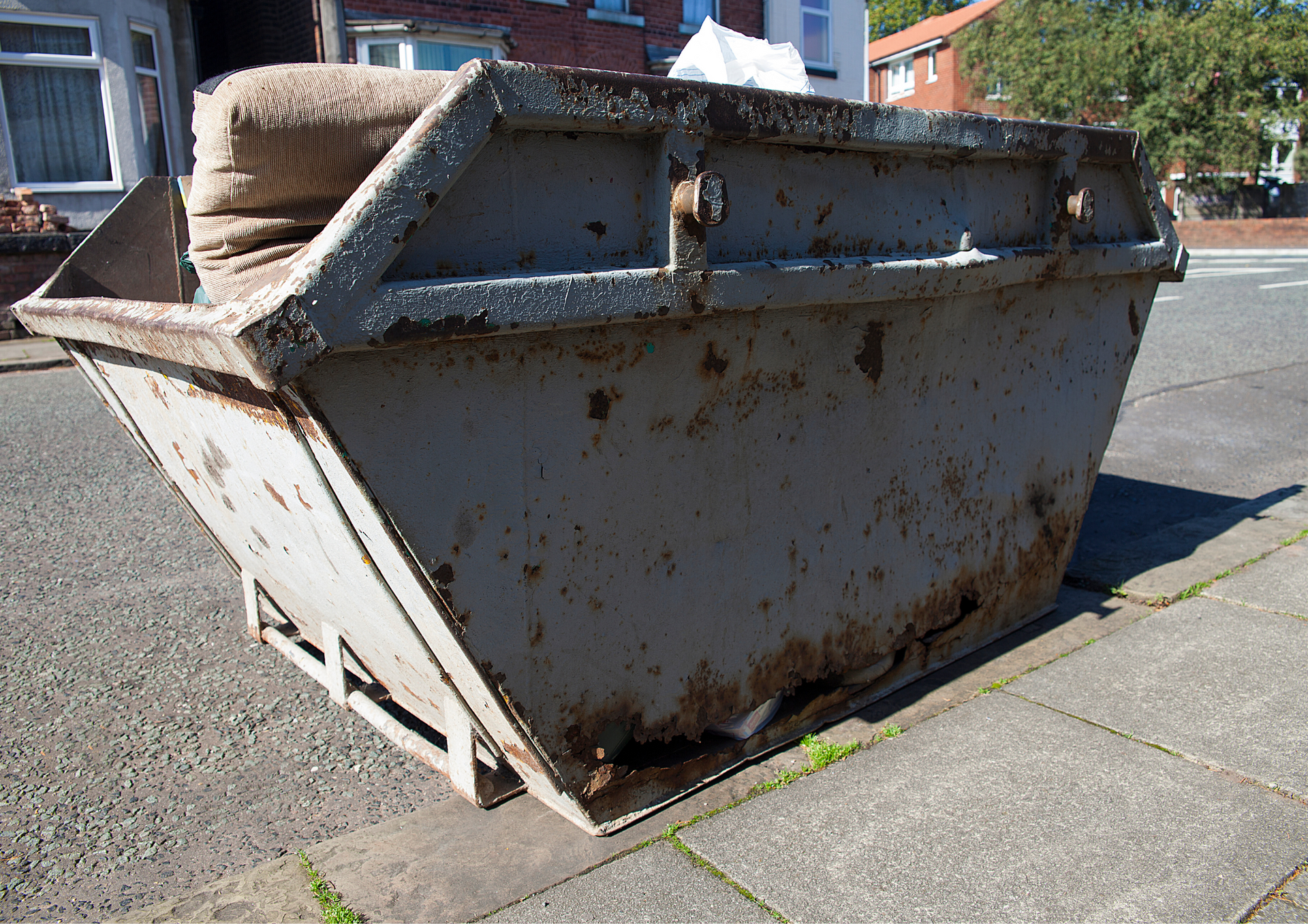
Same Day Skip Hire for Fast and Practical Waste Removal Solutions
Managing waste efficiently is essential when carrying out home improvements, property clearances, construction work or commercial refurbishments. Unwanted materials can accumulate quickly, creating obstacles that affect accessibility, productivity and the overall organisation of a project. Arranging same day skip hire provides a practical solution when waste needs to be managed promptly, particularly when work begins unexpectedly or existing disposal arrangements are no longer sufficient.
For homeowners, landlords, surveyors, local authorities and businesses, having a suitable waste container available at the right time can make a considerable difference. Whether clearing a residential property, renovating a commercial building or preparing a site for further development, organised waste removal helps maintain a more manageable working environment.
In Stockport, projects can involve different property types, from terraced houses and residential streets to retail premises, offices and larger commercial sites. Each location presents its own considerations regarding access, available space, delivery arrangements and the type of waste being generated. Understanding these requirements before booking helps reduce unnecessary complications.
Prompt service should also be supported by careful planning. Choosing an appropriate container, confirming acceptable waste materials and discussing collection arrangements are all important steps. A reliable provider should explain these details clearly rather than encouraging customers to make rushed decisions.
Understanding When Fast Skip Delivery Is Most Useful
Some projects follow carefully planned schedules, while others develop unexpectedly and require immediate attention. Fast waste removal can be particularly valuable when unwanted materials begin affecting access, available space or progress. Recognising the situations where prompt delivery is most beneficial helps customers select practical arrangements without unnecessary delays.
Home Renovations and Improvements
- Kitchen and bathroom refurbishments can generate substantial quantities of old fittings, tiles, packaging and other renovation materials.
- Flooring replacements, decorating projects and internal alterations may produce waste that occupies valuable working space.
- Arranging a suitable container early helps keep rooms, driveways and access routes organised.
- Prompt delivery is particularly useful when contractors have already started work and waste volumes exceed expectations.
Garden and Outdoor Projects
- Landscaping, fencing replacements and garden clearances frequently produce bulky materials that are difficult to store.
- Branches, soil, turf and other outdoor waste may require different handling arrangements depending on the provider's acceptance rules.
- Removing unwanted materials helps maintain access to pathways, patios and outdoor working areas.
- Planning the disposal process alongside landscaping activities can reduce disruption.
Property Clearances and Maintenance
- Landlords preparing properties for new tenants may need to remove unwanted furniture, damaged fixtures and general household waste.
- Surveyors and property managers coordinating improvement work benefit from organised disposal arrangements.
- Local authorities managing maintenance or clearance projects may require carefully scheduled waste removal.
- Prompt delivery can support short-notice work where the property must be prepared within a limited timeframe.
Flexible Scheduling Options
- Not every project requires immediate delivery, particularly when the work is planned several days in advance.
- Customers considering next day skip hire can compare availability and select a suitable delivery date without rushing their preparations.
- Confirming booking requirements early allows providers to assess access, container availability and collection arrangements.
- Flexible scheduling helps customers balance convenience with the practical needs of their project.
Access and Placement Considerations
- Residential streets, narrow driveways and commercial premises may present different delivery challenges.
- Customers should check whether the intended location provides sufficient space for the delivery vehicle.
- Placing a container on a public highway normally requires appropriate permission from the relevant local authority.
- Discussing potential restrictions beforehand helps prevent avoidable delivery problems.
Understanding these situations makes it easier to determine whether urgent delivery is necessary or whether a scheduled arrangement would provide equally good value.
Why Reliable Local Waste Removal Services Matter
Choosing a dependable provider involves more than securing the earliest available delivery. Reliable service combines clear communication, suitable equipment, practical guidance and organised collection arrangements. These qualities help customers manage waste effectively while maintaining confidence throughout the booking process.
When arranging same day skip hire near me, customers often want reassurance that the company understands their location and can explain what is realistically achievable. A provider familiar with Stockport and its surrounding communities may be better positioned to discuss local access considerations, delivery routes and practical placement requirements.
Residential properties can present particular challenges. Some homes have limited driveway space, shared access points or narrow streets where delivery vehicles must manoeuvre carefully. Discussing these circumstances before booking allows the provider to assess whether the requested container can be delivered safely.
Commercial properties introduce different requirements. Retail premises may need collections arranged around business operations, while construction sites often require access for several vehicles throughout the working day. Effective communication helps coordinate deliveries without unnecessarily interrupting other activities.
Another important consideration is the accuracy of the initial quotation. Customers should understand what the agreed price includes, how long the container may remain on site and whether additional charges could apply to extensions, unsuitable materials or excessive loading. Clear information allows customers to compare services fairly.
A professional provider should also explain restrictions on waste types. Certain materials, including hazardous substances, electrical equipment, tyres and other restricted items, may require specialist arrangements. Confirming these details beforehand helps prevent collection difficulties and supports appropriate disposal.
Reliability is particularly important when several contractors are working on the same project. Delayed delivery may prevent materials from being cleared, while an unexpectedly early collection could leave insufficient capacity for remaining work. Coordinating waste removal with the project schedule helps maintain efficiency.
Responsible handling after collection is equally important. Waste should be transferred through appropriate authorised facilities, with recyclable materials recovered where practical. Customers can ask about waste carrier registration and the provider's approach to disposal before making a booking.
Customer service also influences the overall experience. Straightforward explanations, realistic expectations and accessible communication help resolve questions before they become problems. This is especially valuable for customers arranging waste removal for the first time.
Ultimately, dependable local service offers more than convenience. It provides a structured approach to managing unwanted materials, supporting cleaner working areas and reducing unnecessary interruptions throughout residential and commercial projects.
Choosing the Right Skip Size for Different Projects
Selecting an appropriate container is an important part of arranging same day skip hire. A container that is too small may require additional collections, while one that is unnecessarily large can occupy valuable space and increase overall expenditure. Understanding the expected waste volume and available delivery area helps customers make more suitable decisions.
Small Household Clearances
- A 2-yard skip may be appropriate for small household clear-outs, minor garden maintenance and limited DIY waste.
- A 4-yard skip can provide additional capacity for room clearances, decorating work and modest home improvements.
- Compact containers are often useful where driveway space is limited.
- Customers should consider the weight of materials as well as their overall volume.
Medium-Sized Renovation Projects
- A 6-yard skip is commonly considered for kitchen refurbishments, bathroom renovations and general building waste.
- An 8-yard skip can provide additional capacity for larger domestic improvements and property clearances.
- Heavy materials such as bricks, rubble and concrete may be subject to loading restrictions.
- Confirming the type of waste before booking helps determine whether a particular size is suitable.
Larger Building and Commercial Work
- A 10-yard skip may suit certain larger clearances involving relatively bulky, lighter materials.
- A 12-yard container can provide substantial capacity for suitable commercial and renovation waste.
- Larger containers are not always appropriate for heavy construction materials because of vehicle weight limits.
- Commercial customers should discuss both waste composition and expected volume before selecting equipment.
Property Accessibility
- Measure the available placement area and consider whether gates, parked vehicles or overhead obstacles could interfere with delivery.
- Ensure the delivery vehicle has sufficient room to approach, unload and collect the container.
- Discuss sloping driveways, restricted entrances and shared access arrangements before booking.
- Where placement on private land is not possible, ask about the permissions required for alternative locations.
Waste Loading and Safety
- Distribute waste evenly throughout the container rather than concentrating heavy materials in one area.
- Avoid loading above the permitted fill level, as overloaded containers may not be collected.
- Keep prohibited materials separate and arrange suitable disposal methods where necessary.
- Maintain clear pedestrian routes and avoid placing loose waste around the outside of the container.
Professional Size Recommendations
- Describe the project clearly when requesting advice, including the rooms or areas being cleared.
- Provide details of bulky furniture, garden materials or construction debris where relevant.
- Ask whether a smaller container with a planned exchange would be more practical than one large container.
- Confirm the expected hire period and whether collection dates can be adjusted if work takes longer than anticipated.
Planning Collections and Responsible Waste Disposal
Successful waste management does not end when the container arrives. Collection planning, appropriate loading and responsible disposal are equally important in ensuring the process remains straightforward from beginning to end.
One of the most useful steps is establishing a realistic project timeline. Household clearances may take only a few days, while building renovations and commercial improvements can continue for several weeks. Understanding the expected duration allows customers to discuss suitable hire periods and avoid arranging collections before the work is complete.
For customers needing skips same day delivery, advance preparation is especially valuable. Even when a booking is made at short notice, identifying a suitable placement area, estimating waste quantities and confirming access requirements can help the provider assess whether prompt delivery is feasible. Availability will depend on local scheduling, equipment and site conditions.
Once the container is delivered, maintaining an organised loading process makes waste removal more efficient. Materials should be placed inside carefully, with heavier items positioned appropriately and bulky objects arranged to make effective use of the available space. Breaking down suitable non-hazardous items can sometimes reduce wasted capacity.
Different waste streams may require separate handling. For example, plasterboard, electrical appliances, batteries and hazardous materials should not automatically be placed alongside general household rubbish. Customers should check the provider's acceptance requirements rather than assuming every material can be collected together.
Responsible disposal is particularly relevant to larger projects where substantial quantities of reusable or recyclable materials may be generated. Separating suitable timber, metal, cardboard and other materials where practical can support recycling and reduce unnecessary disposal.
For landlords and property managers, keeping records of waste arrangements may also be helpful. Details of collection dates, service providers and relevant waste documentation can support organised property management, particularly when coordinating work across multiple sites.
Local authorities and commercial property operators may have additional procedural requirements depending on the nature of the waste and their responsibilities. Clear arrangements with authorised waste contractors help maintain appropriate standards throughout the project.
Collection timing should be discussed before the hire period ends. Customers should confirm whether they need to request collection, whether a date has already been scheduled and what happens if the container is not ready.
Weather conditions can also affect the process. Loose lightweight materials may need suitable containment to prevent them from blowing around, while prolonged rainfall can make certain waste heavier. Sensible loading practices help maintain a tidy site and support safe collection.
Good communication remains important whenever project plans change. If contractors encounter delays or unexpected waste volumes, contacting the provider early allows available options to be discussed.
By treating delivery, loading and collection as connected stages of one process, customers can manage waste more efficiently while maintaining organised and accessible properties.
Effective waste removal plays an important role in successful home improvements, property clearances, commercial refurbishments and construction projects. When unwanted materials are managed properly, working areas remain more accessible, projects can progress with fewer interruptions and customers can concentrate on completing their planned activities.
Choosing a suitable container, preparing the delivery location and understanding the expected waste volume are essential parts of the process. These considerations help prevent unnecessary collections, unsuitable equipment and avoidable scheduling difficulties.
For projects working to tighter timescales, same day skip hire can provide a practical option when waste needs to be managed promptly. Planning ahead where possible and confirming availability with the provider can help coordinate delivery with the work taking place on site.
Reliable communication with the provider also makes a meaningful difference. Clear information about delivery arrangements, acceptable materials, hire periods and collection procedures allows customers to make informed decisions without unnecessary uncertainty.
For homeowners, landlords, surveyors, local authorities and commercial property managers, organised waste disposal supports both practical efficiency and responsible property maintenance. Every project has different requirements, making careful planning more valuable than simply selecting the first available option.
Whether working in Stockport or another location, the most effective approach combines realistic scheduling, suitable equipment and responsible waste handling. With these elements in place, customers can maintain cleaner working environments and complete their projects with greater confidence.
Skip Hire Stockport provides practical waste management solutions for homeowners, landlords, surveyors, local authorities and businesses throughout Stockport and the surrounding area. We understand that residential clearances, garden improvements, property refurbishments and commercial projects can involve different waste volumes, access conditions and scheduling requirements.
Our approach focuses on clear communication, suitable equipment recommendations and organised delivery and collection arrangements. Whether customers are planning a straightforward household clearance or require a same day skip for a more urgent project, we aim to explain the available options clearly and help identify an appropriate solution.
We recognise the importance of straightforward booking arrangements, realistic expectations and responsible waste handling. By considering the nature of the project, the materials involved and the available space, we help customers make informed decisions before arranging delivery.
From initial enquiries through to final collection, our focus is on providing a dependable, practical service that supports efficient waste removal without unnecessary complications. Our aim is to make the process easier to manage while helping customers maintain organised residential and commercial properties.
Check out our latest X update on how
same day skip hire provides fast and practical waste removal solutions for home clearances, renovations and DIY projects!
You might also like