Understanding 20 Yard Skip Dimensions and Capacity for Projects
Large-scale projects—whether construction works, home renovations, landscaping, office clear-outs, or event cleanups—demand a reliable waste-management solution that can handle substantial volume without slowing down the job. One of the most practical options for high-capacity waste removal is the 20 yard skip, a versatile, spacious container used widely across commercial and domestic environments.
This guide explains everything you need to know about its size, capacity, best-use cases, benefits, and value.
Understanding the Dimensions of a 20 Yard Skip
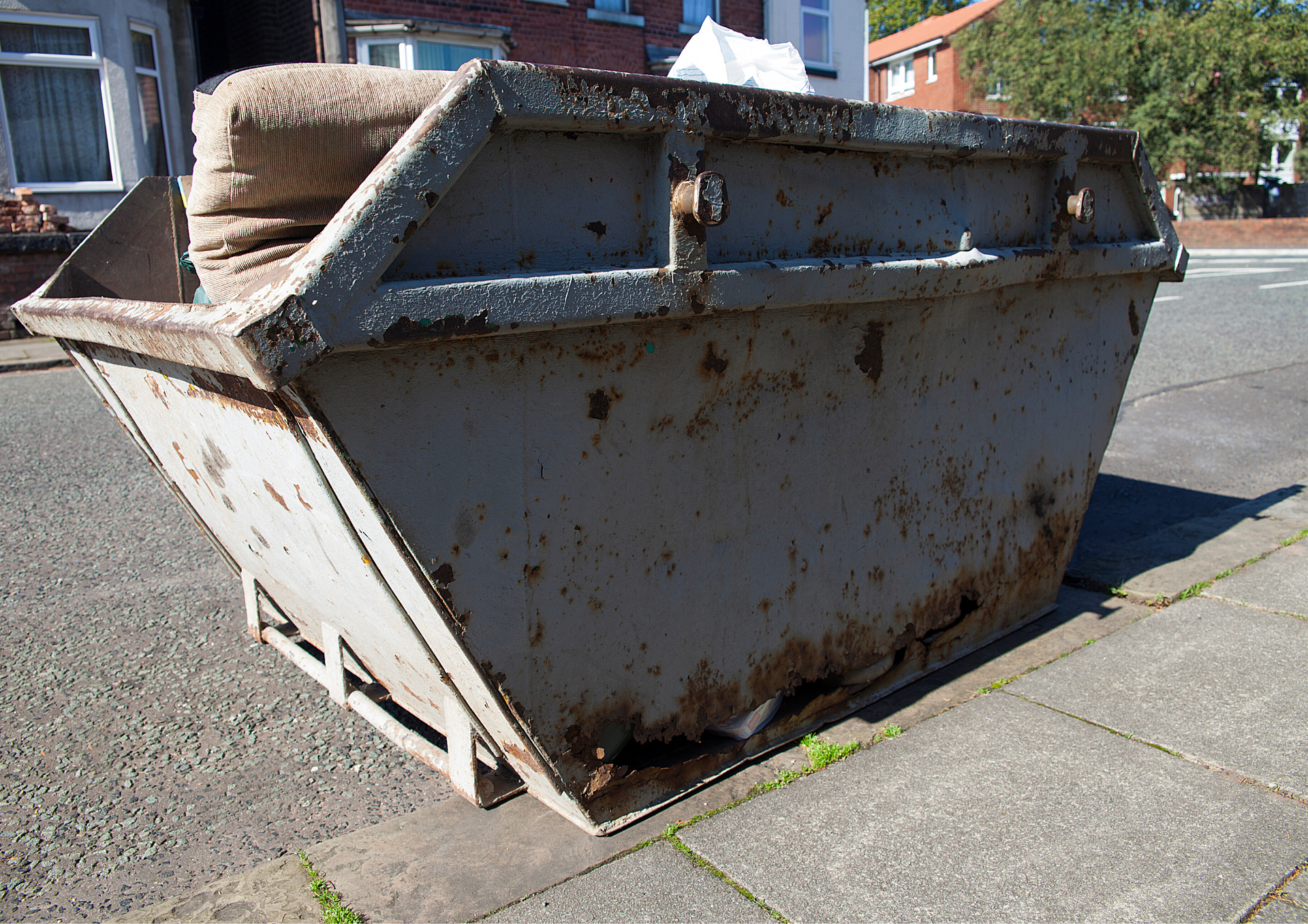
The first step in choosing the right container is knowing its physical size. While measurements may vary slightly between providers, a typical 20 yard skip is around 6.1 metres in length, 2.4 metres in width, and approximately 1.2 metres in height. This sizable footprint makes it longer than many standard domestic skips, offering far more internal volume than 6, 8, 10, or 12 yard units. With its elongated shape and manageable height, it provides easy access for loading bulky, awkward materials that may not fit efficiently into smaller skips.
Because of its design, it is commonly used for large renovation waste, light construction debris, sizable office cleanouts, and substantial landscaping materials. Its low-sided structure makes it easier to distribute waste evenly while maintaining safety during load-in. Users also benefit from its rectangular internal space, which maximises usable room and helps avoid wasted capacity.
Although its size offers excellent versatility, it’s important to consider where the skip will be placed. Its length requires a clear loading area, and if the skip is positioned on a public road, a council permit may be required. Planning ahead ensures efficient access for both drop-off and collection, preventing any disruption to neighbouring properties or traffic.
Understanding the Capacity of a 20 Yard Skip
One of the main reasons people choose this size is its generous capacity. A standard unit can hold roughly 200–220 bin bags of waste, making it ideal for large-scale projects where significant quantities of debris are expected. Its 20 cubic yard measurement means it offers more room than most domestic skips without entering the territory of industrial roll-on/roll-off containers, which may be unnecessarily large for certain jobs.
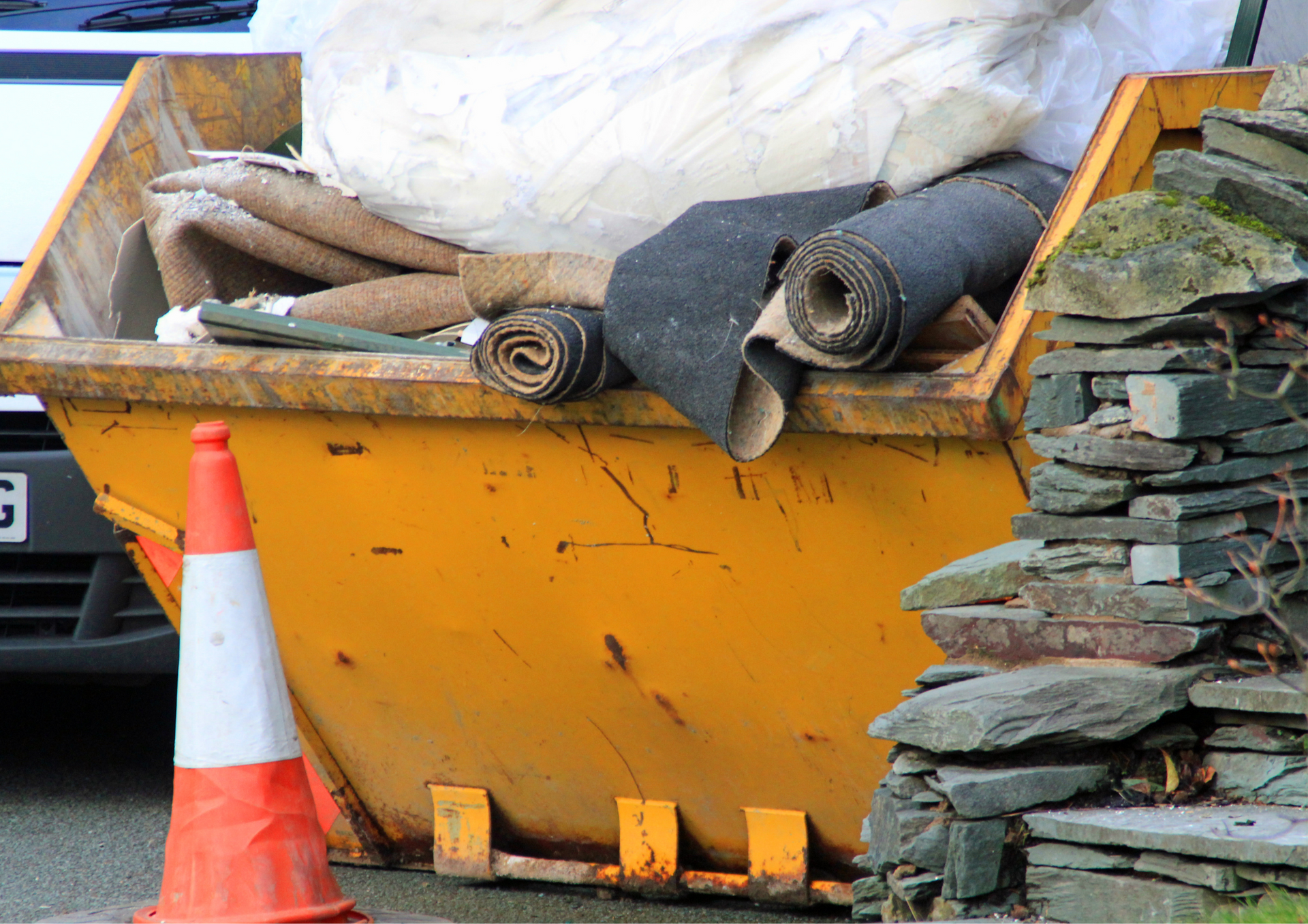
This skip is widely used for bulky items such as furniture, packaging, plastics, timber, garden materials, and light construction debris like plasterboard or insulation. The generous internal space allows you to consolidate waste into one container, reducing site clutter and cutting down on multiple collections. This efficiency makes it the preferred choice for many project managers aiming to maintain a tidy and productive working environment.
Because of its size, the skip is particularly popular for businesses conducting office refurbishments or relocations. Old desks, fittings, cabinets, and general commercial waste can be disposed of in one go without the need for multiple smaller skips. This not only saves time but also reduces operational disruption.
Common Uses for a 20 Yard Skip
The versatility of this skip makes it suitable for a wide range of sectors. Construction companies frequently use it for plasterboard, timber, packaging, metal offcuts, and non-hazardous building materials. Landscapers rely on it for soil, green waste, turf, hedging, and garden clearance debris, as long as the materials do not exceed weight restrictions. Event organisers benefit from its capacity during festivals, markets, and temporary structures, ensuring smooth cleanup when the event ends.
For homeowners undertaking major renovations, this skip offers an excellent middle ground—large enough for building waste, yet manageable enough to place on a driveway or designated space. Large-scale loft conversions, structural work, or full-house refurbishments often create waste that smaller domestic skips cannot handle efficiently.
Because of its size, businesses carrying out warehouse clearances, retail refits, or relocation cleanouts also find this skip valuable. The ability to load furniture, equipment, packaging, and general waste into a single unit enhances productivity and keeps work environments tidy during transitions.
Practical Considerations Before Hiring a 20 Yard Skip
Before arranging delivery, it’s worth checking a few important factors to ensure the skip suits your site. First, assess the available space. This skip’s length requires a clear area for placement, vehicle access, and safe loading. If you intend to place the skip on a public road, you may need a temporary permit from your local authority, so check requirements in advance.
Weight restrictions should also be considered. Although the skip offers a large volume, it’s not intended for extremely heavy materials such as large amounts of soil, hardcore, or concrete, which could exceed legal weight limits. Most providers will advise you on suitable materials to ensure safe and compliant use.
Equally important is planning how long you’ll need the skip. Some projects take several days, while others require extended hire periods. Booking ahead ensures availability and allows you to coordinate delivery and collection with your project timeline, reducing delays or congestion on site.
When researching costs, many customers ask about the
20 yard skip price, which can vary depending on your location, duration of hire, type of waste, and whether a road permit is required. While prices differ across the UK, hiring a skip of this size generally offers excellent value for large-scale waste removal.
If you’re searching for 20 yard skip hire near me, it’s important to choose a reputable provider that offers prompt delivery, clear guidance on permitted waste, and reliable collection schedules. This ensures your project stays on track and avoids unnecessary downtime.
Some customers may refer to this size as a 20 cubic yard skip, which can be helpful when comparing larger roll-on/roll-off containers used in industrial waste management. Regardless of terminology, it remains a dependable choice for major commercial and domestic jobs.
Understanding the potential 20 yard skip cost upfront helps with budgeting, particularly for construction companies, refurbishment teams, and businesses undergoing major cleanouts. Transparent pricing allows you to plan effectively and avoid unexpected expenses during the project.
A
20 yard skip is one of the most practical waste-management solutions available for large domestic, commercial, and industrial projects. Its substantial size, generous capacity, and versatile loading space make it suitable for renovation work, landscaping, construction sites, business relocations, warehouse clearouts, and large event operations. By understanding its dimensions, capacity, and best uses, you can choose the right size for your needs with confidence and keep your site organised, efficient, and compliant.
Whether you’re clearing out a property, managing construction waste, handling heavy-duty cleanup operations, or coordinating a major business move, this skip offers the flexibility and space required to complete the job smoothly and safely. Planning ahead and working with a reliable provider ensures you maximise the benefits of this high-capacity solution.
Choosing
Skip Hire Stockport means working with a trusted, professional, and customer-focused
skip hire service dedicated to supporting both commercial and domestic clients. We provide clear guidance, reliable delivery, responsible waste handling, and straightforward booking from start to finish. Our team prioritises transparency, efficiency, and safety, helping you select the right size and ensuring your project runs smoothly. With competitive rates, flexible hire options, and a strong reputation for dependable service, we offer a practical and stress-free waste-management solution tailored to your needs.
Just out on X: Need a large skip? Here’s what to know about a
20 yard skip!
You might also like